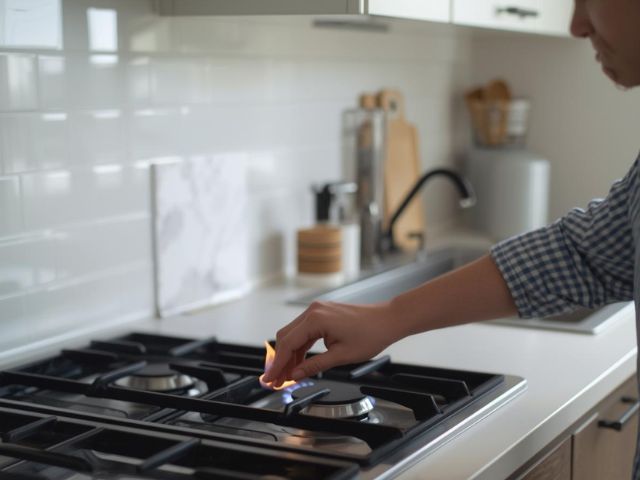
Few things are more frustrating than walking into your kitchen, turning the knob on your rangetop, and realizing the burner won’t light. Whether you’re preparing a quick breakfast before work or cooking dinner for family, a faulty burner can instantly disrupt your routine. In Torrance, where busy households rely on high-performance appliances, this issue is more common than you might think.
A rangetop burner that refuses to ignite isn’t just inconvenient—it can signal underlying problems that, if ignored, may lead to safety risks or more expensive repairs. The good news is that many causes are easy to identify, and some can even be resolved with simple troubleshooting. Others, however, require professional attention to ensure your appliance stays reliable and safe.
Understanding why your rangetop burner won’t light is the first step toward getting your kitchen back in full working order.
Common Reasons Your Rangetop Burner Isn’t Igniting
When a burner won’t light, the problem usually falls into one of a few categories. Identifying the root cause saves time, money, and frustration.
One of the most common reasons is a clogged burner port. Food spills, grease, and debris can block the small holes where gas flows, preventing ignition. Even a tiny obstruction can disrupt the gas-to-air ratio needed for a proper flame.
Another frequent culprit is moisture. After cleaning your rangetop or boiling over a pot, water can seep into the ignition system. This may stop the spark from firing, making it seem like the burner is broken when it just needs time to dry.
Faulty igniters are also a major issue. Over time, igniters can wear out, crack, or fail electrically. When this happens, the gas flows but no spark is produced to light it.
Gas supply issues can’t be overlooked either. If your other appliances are also acting strangely, the problem might be with the gas line, valve, or regulator rather than the rangetop itself.
Finally, misaligned burner caps can prevent proper ignition. If the cap isn’t sitting correctly, gas won’t distribute evenly, making lighting difficult or impossible.
How Ignition Systems Actually Work
To understand why things go wrong, it helps to know how a rangetop ignition system functions. Modern rangetops typically use electric ignition rather than pilot lights. When you turn the knob, electricity flows to the igniter, creating a spark that lights the gas released from the burner.
This system relies on three things working together: electricity, gas, and airflow. If any one of these components fails, the burner won’t ignite. For example, a power outage can stop electric igniters from working, even though gas is still available. Similarly, blocked airflow or gas flow will prevent proper combustion.
Knowing this makes troubleshooting easier because you can narrow the issue down to one of these elements.
Quick Checks You Can Do at Home
Before calling for professional help, there are a few safe and simple steps you can try.
Start by checking if other burners work. If none of them ignite, the problem may be electrical or related to the gas supply. If only one burner is affected, the issue is likely localized.
Next, inspect the burner cap and ports. Remove the cap and gently clean around the openings using a soft brush or toothpick. Avoid using sharp objects that could damage the metal.
Dry the area thoroughly if you recently cleaned your rangetop. Sometimes all it takes is waiting 30 minutes for moisture to evaporate.
Listen for clicking sounds. If you hear clicking but no flame, the igniter is trying to work, which suggests a gas flow or blockage issue. If there’s no clicking at all, the igniter may be faulty.
These steps often resolve minor issues, but persistent problems mean something more serious is going on.
When a Burner Problem Becomes a Safety Concern
A rangetop burner that won’t light isn’t always harmless. In some cases, it can pose safety risks.
If you smell gas but the burner doesn’t ignite, turn off the appliance immediately and ventilate the area. This could indicate gas is flowing without proper ignition, increasing the risk of fire or explosion.
Repeated clicking without ignition can also damage the igniter over time, leading to electrical issues or even short circuits.
In older homes around Torrance, worn gas lines or outdated connectors may cause inconsistent gas delivery. This not only affects performance but can also be dangerous if left unchecked.
Safety should always come first. If you notice strong gas odors, sparks, or unusual sounds, it’s best to stop using the rangetop and seek professional assistance.
Why Professional Diagnosis Makes a Difference
While DIY fixes can solve simple problems, professional diagnosis ensures nothing critical is overlooked. Trained technicians use specialized tools to test igniters, gas valves, and electrical components.
They can determine whether a part needs cleaning, repair, or replacement. More importantly, they ensure all repairs meet safety standards, protecting your home and family.
In many cases, what seems like a small issue—such as a burner not lighting—can actually be a symptom of a larger problem within the appliance.
This is where working with a trusted local service like Viking Professional Service becomes invaluable. They understand the specific needs of high-end rangetops and provide solutions that restore both performance and peace of mind.
The Hidden Costs of Ignoring the Problem
It’s tempting to ignore one faulty burner and just use the others. However, this often leads to higher costs in the long run.
A clogged burner can worsen and cause uneven heating, damaging cookware or wasting gas. A failing igniter may eventually affect multiple burners, leading to more expensive repairs.
There’s also the inconvenience factor. Cooking becomes less efficient, meal prep takes longer, and frustration builds every time you try to use your kitchen.
By addressing the issue early, you avoid unnecessary stress and keep your appliance operating at peak efficiency.
How Torrance Climate Can Affect Rangetops
Torrance’s coastal environment brings unique challenges for appliances. Higher humidity levels can increase moisture buildup in ignition systems, making burners more prone to failure.
Salt air can also contribute to corrosion over time, especially on metal components like burner heads and igniters. This gradual wear isn’t always noticeable until something stops working.
Regular maintenance becomes especially important in coastal areas. Simple habits like wiping down burners, ensuring proper ventilation, and scheduling periodic inspections can extend the lifespan of your rangetop significantly.
Signs It’s Time for Expert Repair
Some warning signs clearly indicate that professional help is needed.
If the burner lights inconsistently, taking several tries to ignite, the igniter may be weakening.
If you hear a hissing sound without a flame, gas is flowing without ignition, which is a serious safety concern.
If cleaning and drying don’t work, and the problem persists for days, it’s likely an internal component has failed.
When these signs appear, continuing to troubleshoot on your own can be risky and ineffective. Expert repair ensures accurate diagnosis and long-term solutions.
Keeping Your Rangetop in Top Condition
Prevention is always better than repair. A few simple practices can help keep your rangetop reliable.
Clean spills immediately to prevent clogs in burner ports. Use gentle cleaners and avoid soaking the ignition area with water.
Check burner caps regularly to ensure they’re aligned properly. Even slight misalignment can affect performance.
Avoid using excessive force when turning knobs. This can wear down internal components and shorten their lifespan.
Schedule professional maintenance once a year, especially if you use your rangetop heavily. Routine inspections catch small issues before they become major problems.
Why Performance Matters for Home Cooks
For many households, the kitchen is the heart of the home. A reliable rangetop isn’t just about convenience—it’s about creativity, efficiency, and enjoyment.
When burners work properly, cooking becomes faster and more precise. You can control heat levels accurately, experiment with new recipes, and host gatherings without worry.
If you’re interested in learning more about maintaining high-performance appliances, check out this related article: Viking Repairs for Home Cooks Who Need Performance. It dives deeper into how proper care keeps your kitchen running at its best.
Understanding Repair vs Replacement
When a burner won’t light, many homeowners wonder whether it’s time to replace the entire rangetop. In most cases, repairs are far more cost-effective.
Replacing an igniter, cleaning gas ports, or fixing wiring typically costs a fraction of buying a new appliance. Modern rangetops are built to last, and most issues are component-level rather than system-wide failures.
Replacement only becomes necessary if the appliance is extremely old, severely damaged, or if repair costs exceed the value of the unit.
A professional technician can help you weigh these options and make the most economical decision.
What to Expect During a Service Visit
Knowing what happens during a repair visit can ease concerns.
First, the technician inspects the appliance, testing each burner and ignition system. They check gas flow, electrical connections, and internal components.
Next, they identify the faulty part and explain the issue in simple terms. You’ll know exactly what needs to be fixed and why.
Once repairs are completed, they test the rangetop again to ensure everything works properly and safely.
This process not only fixes the immediate problem but also helps prevent future breakdowns.
Final Thoughts: Don’t Let a Small Issue Ruin Your Kitchen
A rangetop burner that won’t light in Torrance might seem like a minor inconvenience, but it can quickly escalate into a bigger problem if ignored. From clogged ports and moisture buildup to failing igniters and gas issues, the causes vary—but the solution always starts with proper diagnosis.
By understanding how your rangetop works, performing simple checks, and knowing when to call in professionals, you protect your appliance, your safety, and your peace of mind.
Your kitchen deserves to function smoothly every day. Addressing burner issues promptly ensures that cooking remains enjoyable, efficient, and stress-free—just the way it should be.