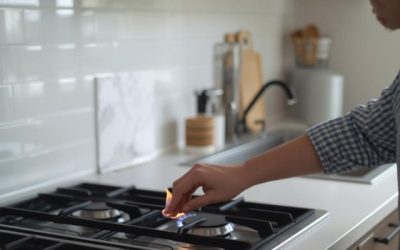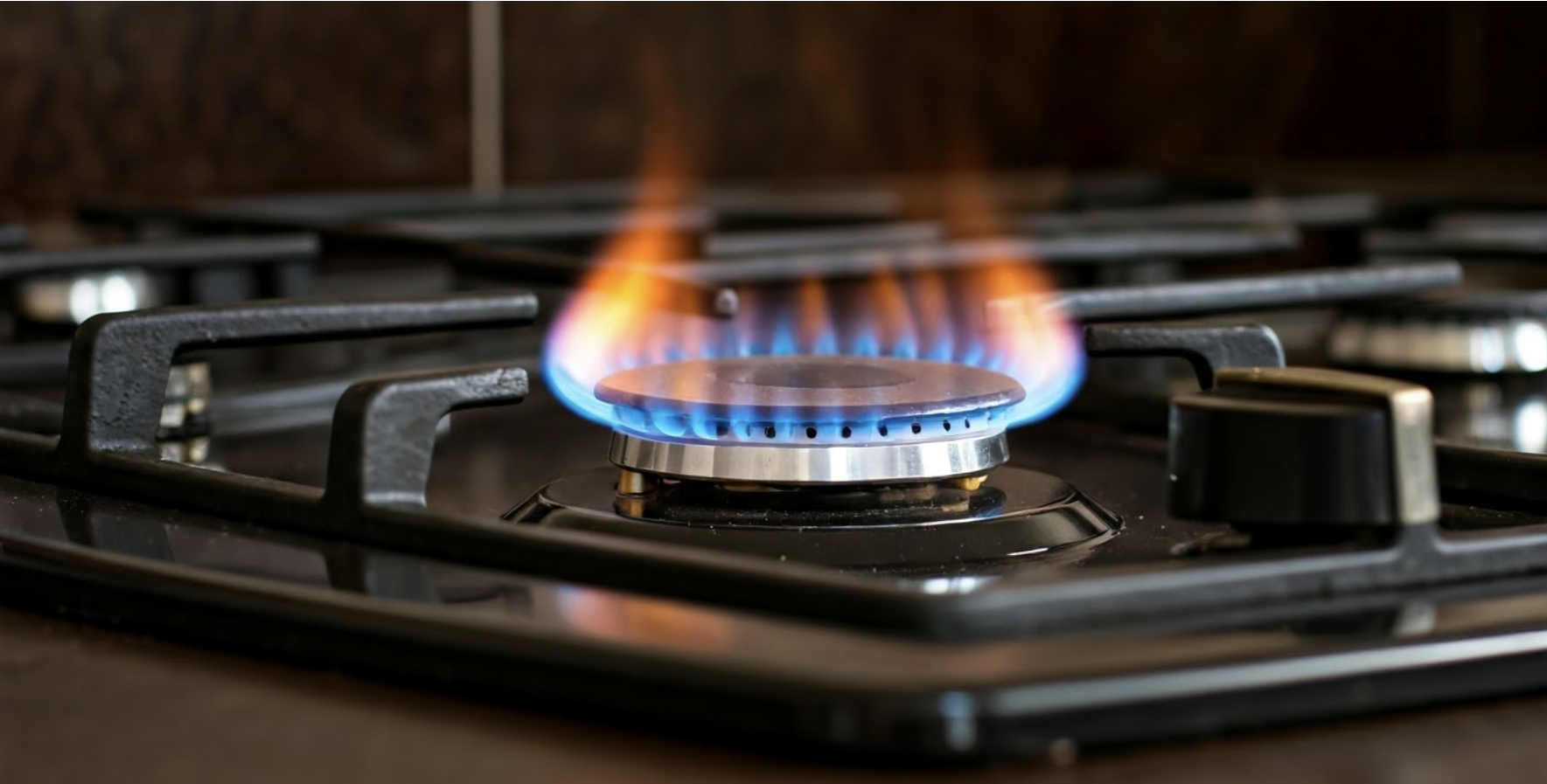
When you use a gas range, it’s important to check the surface burner flame color and height to stay safe and cook well. The color of the flame helps you see how well the gas is burning. A blue flame shows good performance, but yellow flames may mean there is a problem. Knowing what color should the surface burner flame be can help you avoid dangers, cook better, and make your appliance last longer. This blog will show you everything you need to know about surface burner flame colors.
Why Flame Color Matters
Flame color is very important for checking if your appliance works well and is safe. A blue flame shows that your burner is working efficiently. It means the gas mix is right and the flame height is suitable. A blue flame also means it will give you steady heat for cooking.
If you see yellow flames instead of blue, it means there is a problem with combustion. Yellow flames can mean too much air in the gas mix, blocked burner ports, or low propane tank levels. It is important to fix flame color issues quickly to avoid uneven heat and to keep your cookware clean.
Keeping an eye on flame color helps keep your home safe. Yellow or orange flames can lead to carbon monoxide emissions, which is a harmful gas. By checking the flame color regularly, you can make sure your surface burner gives the right color flames, which keeps you and your family safe and healthy.
Safety and Efficiency Considerations
Ensuring that your surface burner flame is blue is important for safety and efficiency. Yellow flames or orange tips mean there is incomplete burning. This can create harmful carbon monoxide gas. If not fixed, it can really hurt your health.
Yellow flames also make cooking less effective. They reduce heat output, causing uneven cooking and wasting energy. Clogged burner ports can make this worse. Debris can block gas flow, causing more problems.
It’s important to check the flame color regularly to keep your gas appliance working well. Cleaning burner ports and making adjustments will help keep those blue flames, which means better heat and a safer kitchen. This care can also help your gadget last longer and can save you money on repairs that might happen later.
Beginner’s Guide to Burner Flame Colors
For beginners, knowing about burner flame colors is easy and important. A blue flame shows good burning, efficiency, and safety. On the other hand, yellow or orange flames usually mean there are problems like blocked burner ports or a bad gas mix.
You can fix small flame color problems by cleaning the burners and making sure they are in the right place. Watching the flame height and color during use helps keep things working well, safe, and enjoyable for both experienced cooks and new users.
Necessary Tools and Resources
Properly managing burner flame color requires the right tools. Keeping burner ports clean typically involves cleaning supplies and gas adjustment tools. Essential tools include:
- Brushes or toothbrushes: Clear debris from burner ports.
- Mild detergent and warm water: Clean burner heads after chemical exposure.
- Flat-blade screwdriver: Adjust flame height manually.
- Tweezers: Remove blockages from small orifice spuds.
Additionally, consult your appliance’s Installation Guide or user manual for gas line specifications. Online resources from brands like LG or Viking Professional Service provide quick tips for fixing stubborn flame issues. Using these tools ensures steady blue flame performance.
Step-by-step Guide to Assessing Flame Color
To check the color of the surface burner flame correctly, follow these simple steps to make sure you see the right color and quality of the flame:
- Turn on the burner and look at the flame height and color.
- Blue flames show good gas flow and burning. Yellow or orange flames need fixing.
- Check the burner ports for blockages and make sure the burner head is in place.
Flames that are not the right color may be caused by clogged ports or low propane. You can clean any dirt with a soft brush or toothbrush to help fix the problem. If you still have trouble, check the overall gas supply setup. Always remember to check your gas appliance regularly to keep it safe and working well.
Step 1: Identifying the Correct Flame Color
Visual identification is the first step in checking flame color. A good surface burner flame should be a steady blue with the right flame height. Blue flames are the best because they show clean burning and good heat efficiency.
On the other hand, yellow flames can signal problems like clogged burner ports or an incorrect mix of gas and air. If you ignore these signs, it can lower the burner’s efficiency and create safety risks, such as carbon monoxide buildup.
You should look at the flame directly each time you use it. Cleaning the burner ports and checking the position of the burner heads can help you see the right color flame. This way, you can make sure that the performance is not affected.
Step 2: Adjusting Your Burner for Optimal Performance
When burner flames change color, you can fix it by making some adjustments. This will bring back the flame’s ideal blue color. Here is a table with steps for two common issues:
| Issue | Solution |
|---|---|
| Clogged burner ports | Clean ports using a soft brush. |
| Improper gas mix | Adjust flame height with a screwdriver. |
Making sure the burner heads sit flat helps align them better. This allows for more airflow and improved gas burning. If the burner parts are damaged or not put together correctly, you may see unusual burning and yellow flames.
Also, checking that your gas line matches size standards, like using a 3/4-inch rigid pipe, can improve burner performance. Regular adjustments keep the flame’s right color and ensure it works safely and efficiently.
Contact Viking Professional Service for Assistance
If you are having ongoing problems with the surface burner flame color, Viking Professional Service can help you. Our trained experts are ready to find and fix issues that may affect performance or safety.
We solve problems like yellow flames and check burner ports and tank levels. Our team provides dependable advice and care for your appliance. You can call us at (800) 222-7820 or set up a repair with a certified technician. Also, Viking has an online troubleshooting guide for quick help.
Conclusion
In conclusion, knowing what color should the surface burner flame be is important. It helps your cooking and keeps your kitchen safe. A blue flame usually means the burner is working well. In contrast, if you see yellow or orange flames, this may mean there is a problem. These colors can show incomplete burning and possible dangers. Regularly checking and adjusting your burners can make them work better and last longer. If you have questions or need help with your burners, contact Viking Professional Service for expert help. To learn more about keeping your kitchen safe and efficient, look at our blog post about Why Your Gas Range Flame Is Too Weak & How to Solve It. Your cooking journey should be the best!
Frequently Asked Questions
What does a blue flame indicate?
A blue flame shows that the burner is working well and safely. It means the gas and air are mixed just right. When you see a blue flame, it is also a sign that the burners are in good shape. This helps to provide steady cooking results.
Is a yellow or orange flame always a cause for concern?
Yellow flames can show safety issues like incomplete burning or clogged burner ports. But, some LP gas models might show yellow or orange tips in specific weather, which is usually fine. Always look at flame height and other details to make sure the flames have the right color.
How often should I check the flame color?
Maintaining the flame color is important for safety and efficiency. You should check the surface burner flame often. It should burn blue. Yellow flames can cause risks, so it is best to avoid them. Regular checks help keep the right color and ensure your appliance works well.